Training for Medical Assistant: Every Skill You'll Build and Why It Matters
Most people considering training for medical assistant careers want to know one thing above everything else: what will I actually learn? Not vague promises about “preparing you for a career in healthcare” — but the specific, concrete skills you’ll walk away with.
Here’s an honest breakdown of what quality medical assistant training covers, why each skill matters in a real medical office, and how the training translates to your first day on the job.
Clinical skills: the hands-on work
These are the skills that make you valuable in an exam room, a lab, or a procedure area. They’re physical, precise, and only learned through supervised practice.
Phlebotomy (blood draws)
You’ll learn venipuncture technique — identifying veins, selecting the right needle gauge, performing the draw, labeling specimens, and managing patients who are anxious about needles. Phlebotomy is one of the most in-demand MA skills, and the ability to perform it confidently from day one sets you apart.
Vital signs
Taking blood pressure, pulse, respiration rate, temperature, and oxygen saturation readings. These measurements happen at nearly every patient visit, and accuracy matters — providers make treatment decisions based on your readings.
Injections and medication administration
Intramuscular, subcutaneous, and intradermal injection techniques. You’ll learn proper site selection, needle handling, aspiration technique, and documentation. Many offices also train MAs to administer vaccinations.
EKG (electrocardiogram)
Placing leads, running a 12-lead EKG, recognizing artifacts, and producing a clean tracing for the provider to interpret. Cardiac monitoring is routine in primary care and cardiology offices.
Specimen collection and processing
Beyond blood draws — urine collection, throat swabs, wound cultures, and basic lab processing. You’ll learn proper labeling, chain of custody, and how to use centrifuges and other lab equipment.
Wound care
Cleaning, irrigating, and dressing wounds. Assisting with suture removal, applying steri-strips, and managing wound care supplies.
Patient preparation
Rooming patients, taking medical histories, documenting chief complaints, and preparing them for examination. You set the tone for the entire visit.
Administrative skills: the office work
Medical assistants don’t just work in exam rooms — they keep the office running smoothly.
Electronic Health Records (EHR)
Documenting patient encounters, updating medical histories, entering lab results, and navigating EHR systems. Every medical office uses electronic records, and proficiency is non-negotiable.
Scheduling and patient flow
Managing appointment calendars, coordinating referrals, and keeping the daily schedule running efficiently. A well-managed schedule means patients aren’t waiting and providers aren’t idle.
Insurance verification and billing
Checking patient insurance coverage, understanding co-pays, processing claims, and working with common billing codes (CPT and ICD-10). Medical offices lose revenue when this is done poorly.
Phone communication
Triaging patient calls, scheduling appointments, relaying messages to providers, and handling prescription refill requests. You’re often the first voice a patient hears.
HIPAA compliance
Understanding and maintaining patient privacy across all communications — verbal, written, and electronic. Compliance isn’t optional, and violations carry serious consequences.
Professional skills: what gets you hired and promoted
Beyond the technical abilities, employers look for:
- Communication — explaining procedures, calming nervous patients, translating medical information into plain language
- Time management — medical offices move fast, and efficiency directly impacts patient care and revenue
- Teamwork — you work alongside physicians, nurses, specialists, and other staff all day
- Adaptability — no two days are the same; you need to handle shifting priorities without losing composure
- Professionalism — reliability, punctuality, appropriate dress, and maintaining composure under pressure
How training at Waco Medical Assistant School works
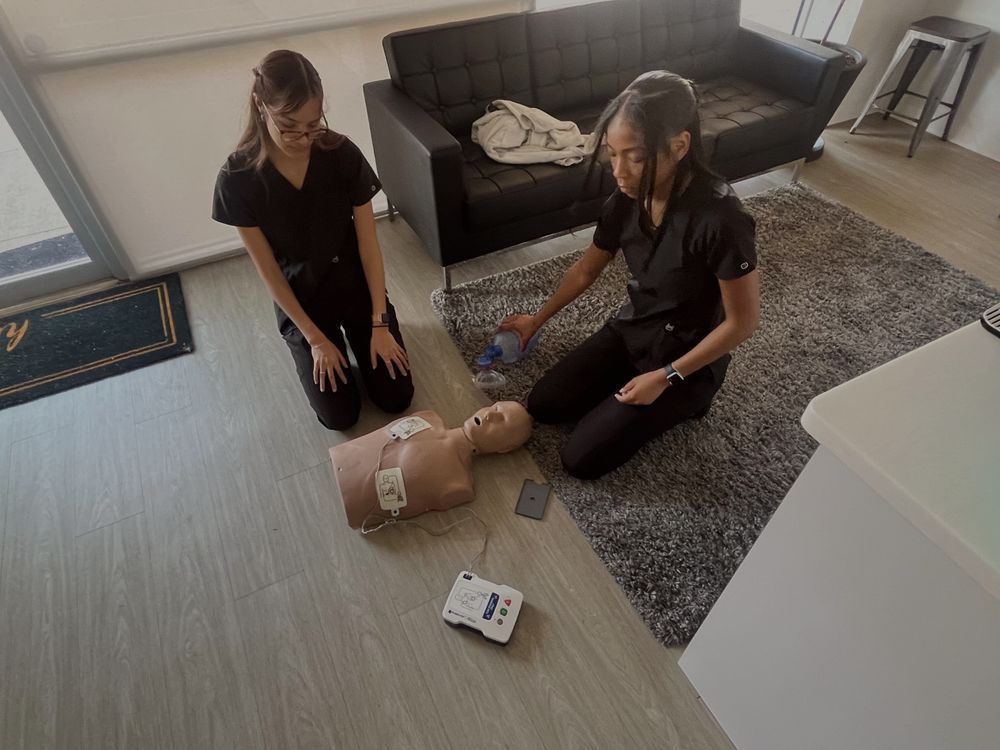
Training covers all of these skills through a combination of:
- Classroom instruction — medical terminology, anatomy, pharmacology, and clinical theory
- Supervised clinical practice — hands-on skills with real equipment under instructor supervision
- Certification preparation — CCMA exam content integrated throughout, so you’re ready to test after graduation
- Career readiness — resume writing, interview skills, and job search strategies
The program is designed for complete beginners — no prior healthcare experience or college coursework required.
What a typical day looks like after training
8:00 AM — Arrive, review the schedule, prep exam rooms, check supplies.
8:30 AM — First patient: room them, take vitals, document chief complaint, set up for the provider.
9:15 AM — Assist during a procedure — hand instruments, manage supplies, reassure the patient.
10:00 AM — Draw blood for lab work, label and process specimens, enter orders in the EHR.
11:00 AM — Administrative tasks: return patient calls, verify insurance for afternoon appointments, process referrals.
12:00 PM — Lunch.
1:00 PM — Afternoon patients: more vitals, an EKG, two injections, and an intake for a new patient.
4:30 PM — End of day: clean exam rooms, restock supplies, complete documentation, prep for tomorrow.
The mix of clinical and administrative work is what keeps the job engaging — and it’s exactly what your training prepares you for.
What medical assistants earn
- Entry-level: approximately $32,000–$38,000/year
- National median: approximately $42,000–$46,000/year (BLS, 2026)
- Experienced / specialty: $48,000–$55,000+/year
For the amount of training required, the salary-to-investment ratio is one of the best in healthcare.
Common concerns about medical assistant training
“Do I need any science background?” No. You learn the relevant anatomy, terminology, and clinical knowledge from the ground up during training. No prerequisites required.
“Is the clinical practice supervised?” Yes — all hands-on training happens under instructor supervision with real medical equipment. You don’t practice on patients unsupervised until you’re employed and competent.
“Will I be able to do all of this after just a few months of training?” The curriculum is designed to build skills progressively — each week reinforces the last. By the time you finish, the skills feel natural because you’ve practiced them repeatedly under guidance.
“What certification do I earn?” Most programs prepare you for the CCMA (Certified Clinical Medical Assistant) credential through the National Healthcareer Association. This is the most widely recognized MA certification.
The job market for trained medical assistants
- BLS projects 15% employment growth through 2032 — one of the fastest-growing healthcare roles
- Medical offices, clinics, urgent care centers, and hospitals near Waco are consistently hiring
- Certified MAs with hands-on training are the candidates employers actively seek
- The career offers real stability — healthcare demand doesn’t follow economic cycles the way many industries do
How your training translates to the job immediately
One of the best things about comprehensive training for medical assistant work is that the skills you learn map directly to what you’ll do every day. There’s no adjustment period where you’re learning the actual job after graduation — you already know it.
When you show up to your first shift:
- You know how to set up an exam room properly
- You can take vitals without fumbling or second-guessing your readings
- Drawing blood doesn’t rattle you because you’ve done it dozens of times under supervision
- You understand the EHR system and can chart efficiently
- You communicate with patients calmly and professionally because you’ve practiced that too
That confidence is the product of structured, hands-on training — not something you develop on the job over months of trial and error.
What the salary looks like
- Entry-level: approximately $32,000–$38,000/year ($15–$18/hour)
- National median: approximately $42,000–$46,000/year (BLS, 2026)
- Experienced / specialty: $48,000–$55,000+/year
- CCMA-certified MAs earn $2,000–$5,000+ more per year than non-certified counterparts
For the amount of training required, the salary-to-investment ratio is one of the best in healthcare.
Ready to start building these skills?
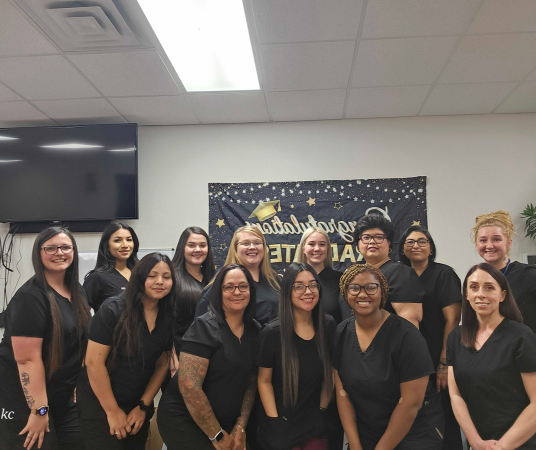
Waco Medical Assistant School covers every clinical and administrative skill medical offices expect — with hands-on training, certification preparation, and career support.
- See the full curriculum: Program details
- Review tuition and payment options: Tuition
- Talk to our team: Contact
- Apply: How to apply
You're only a few months from the medical assistant career you deserve.